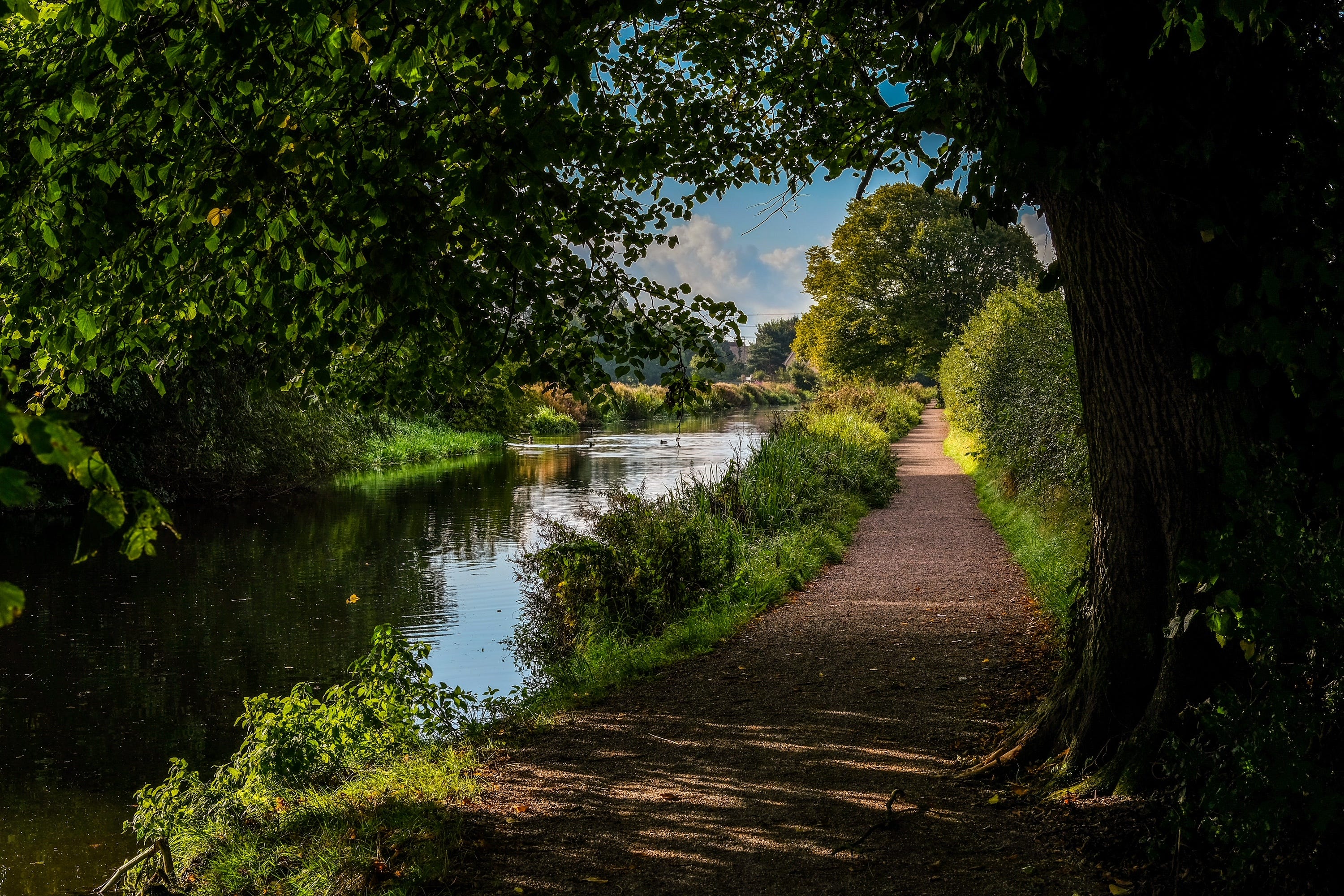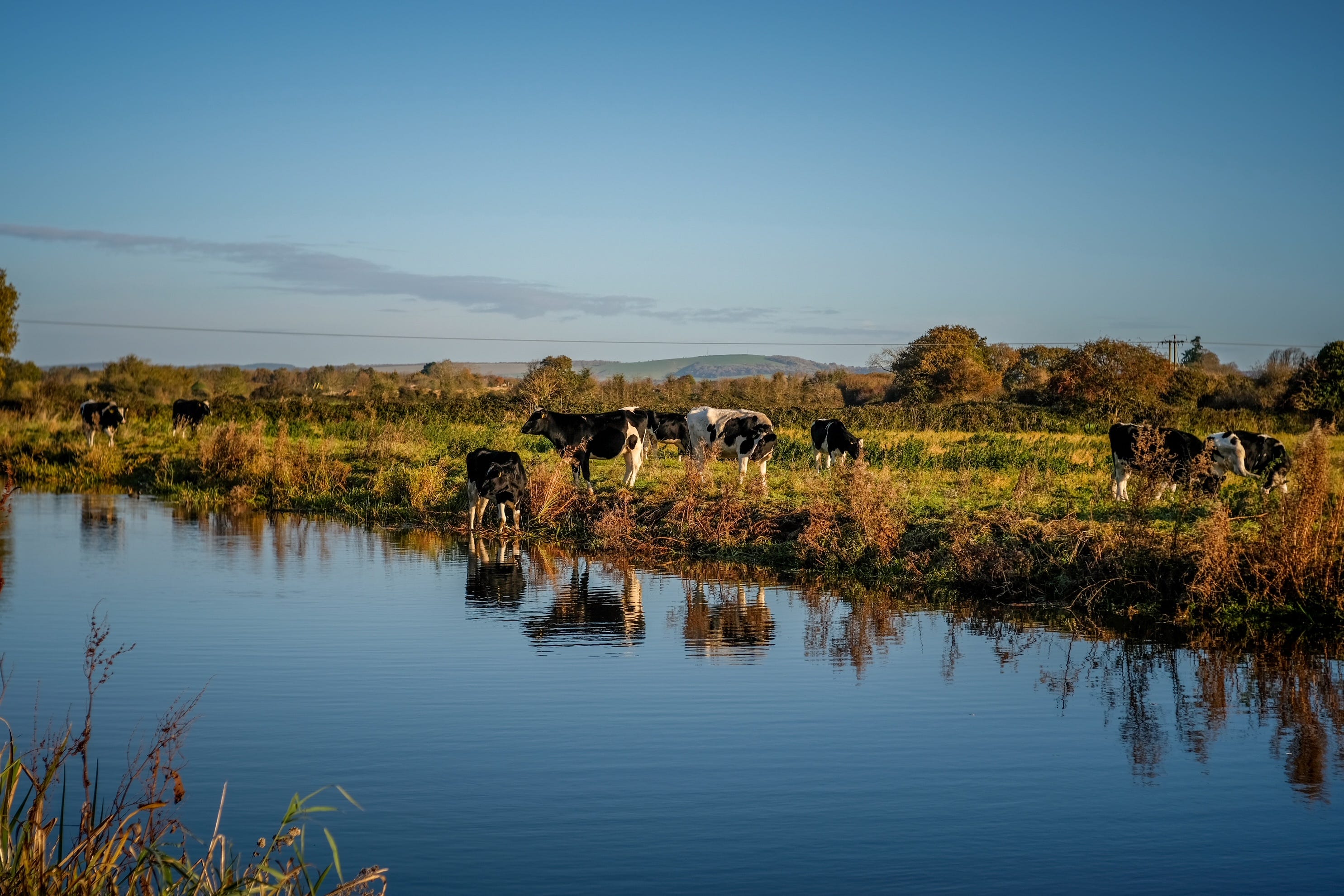
You’d never guess it from the stillness today, but this quiet strip of water was once meant to be part of a grand industrial artery. Chichester Canal was supposed to join the booming network of barges that fuelled Britain’s economic engine. But, as history likes to do, it threw a spanner in the works—or rather, a locomotive. By the time the canal opened, the train had already stolen its lunch. Goods went by rail. Barges sulked. Shareholders grumbled. You can practically hear the late-Georgian sigh.
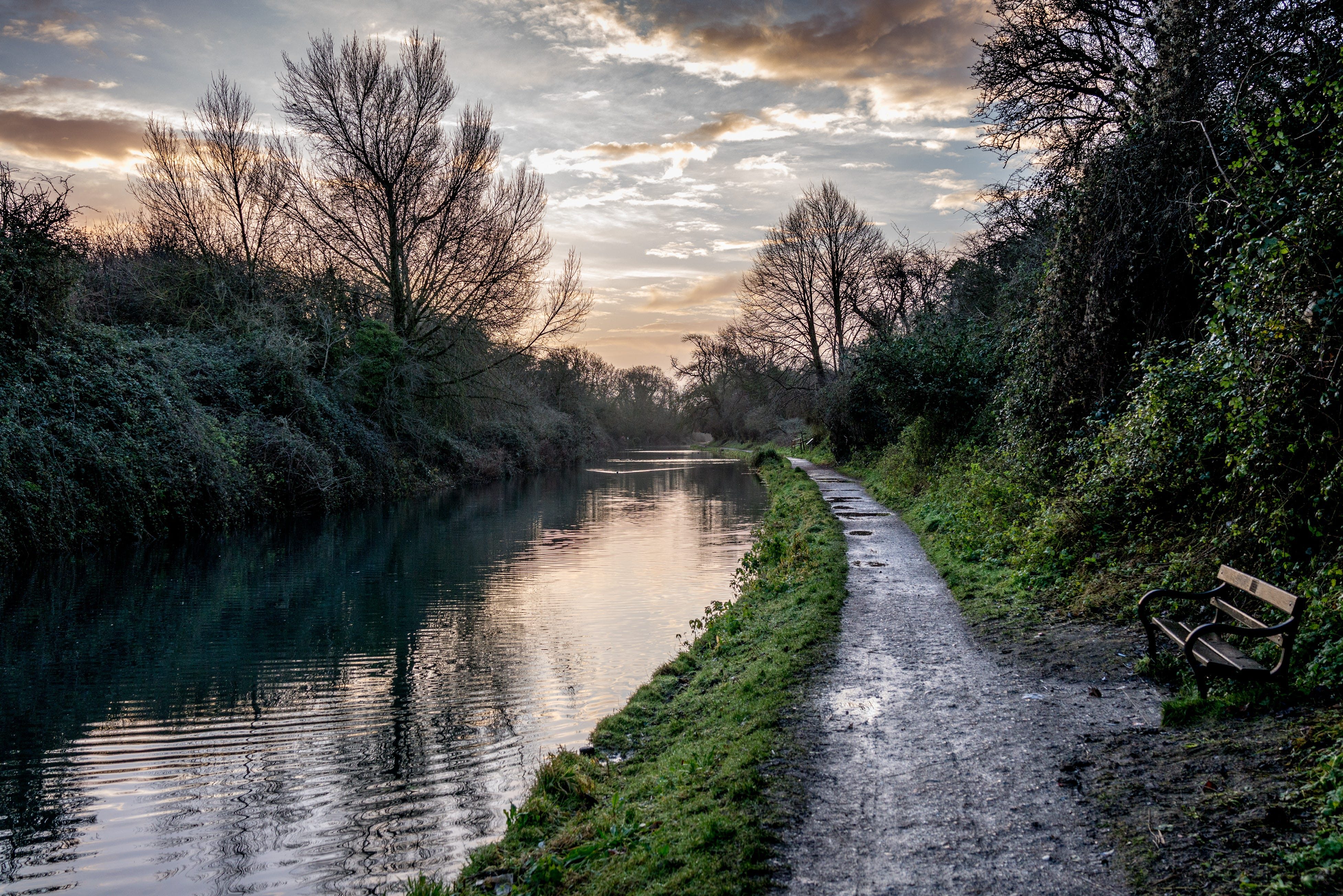
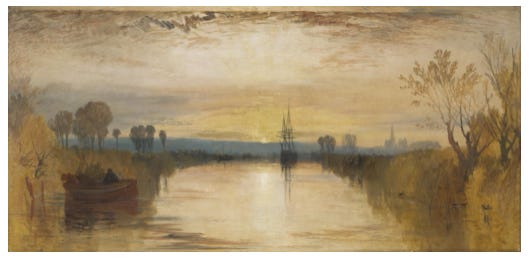
Yet this little waterway managed something unusual for a failed infrastructure project: it became immortal. Not in commerce, but in art.
Turner wandered down here in 1828, squinted at the light, and decided to turn the whole thing into one of his golden dreams. Of course, he couldn’t resist adding a full-rigged ship—because what’s a little artistic licence when you’re Turner? The canal never saw anything of the sort, but the painting ensured that Chichester Canal became far more famous as an idea than a functioning trade route.
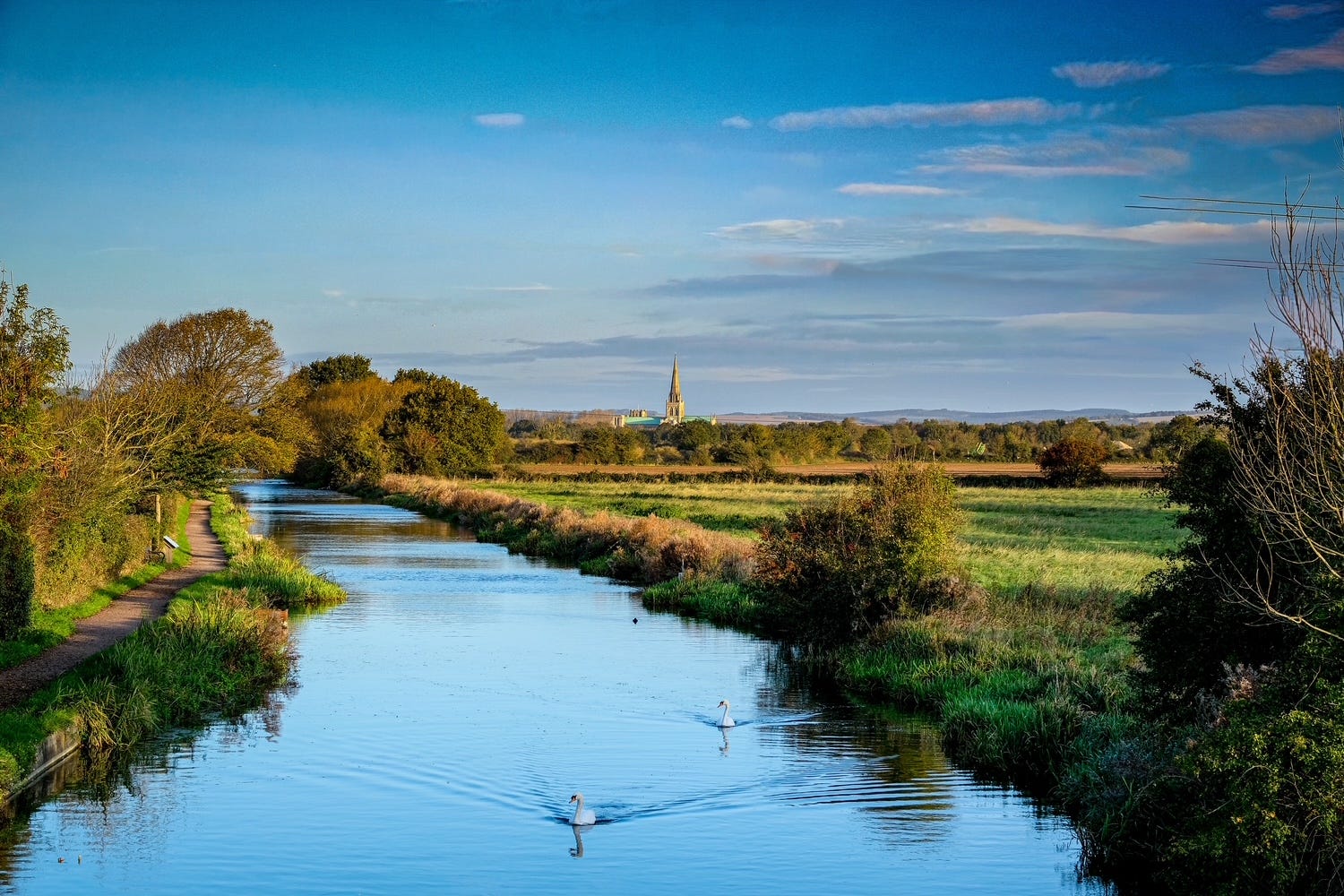
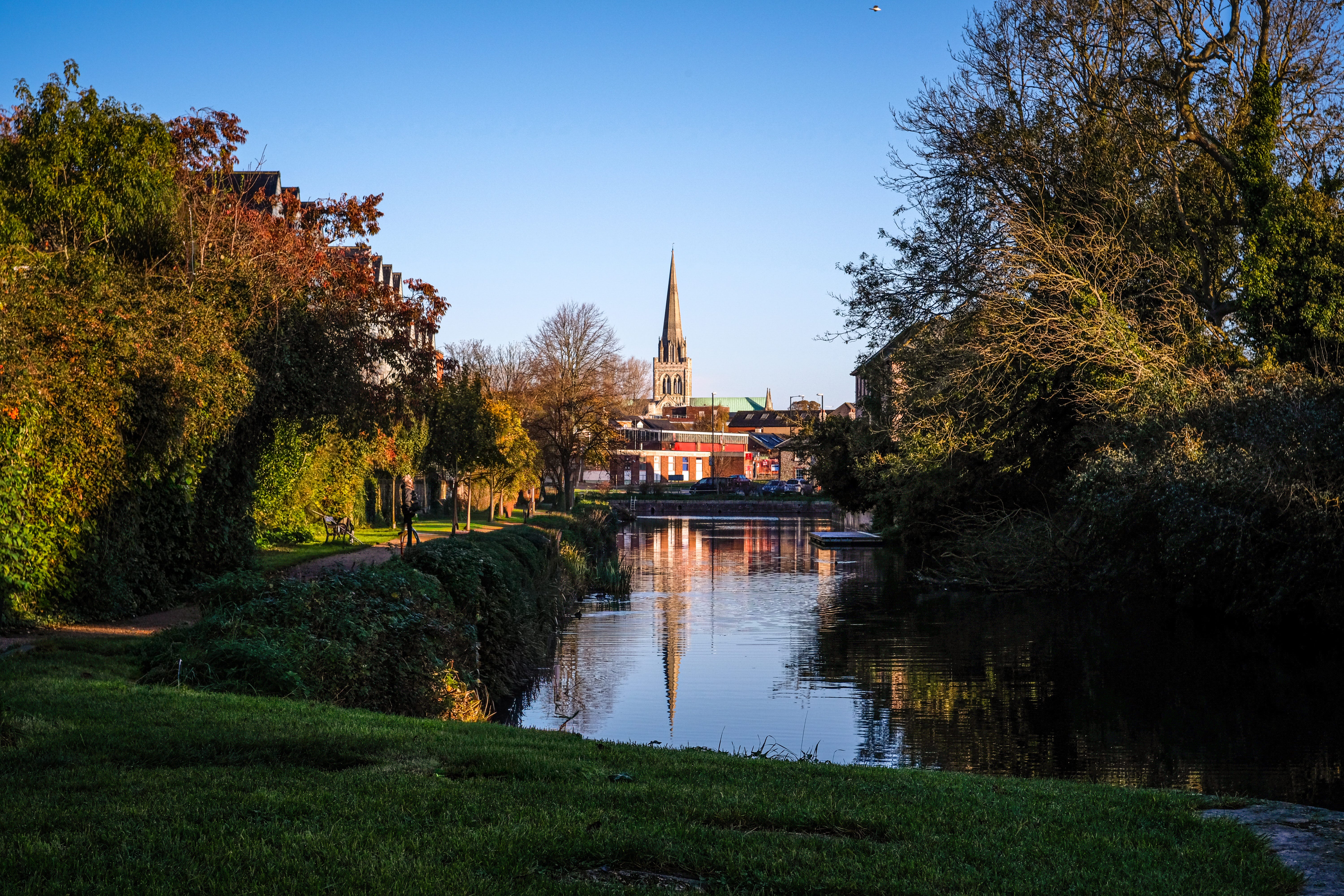
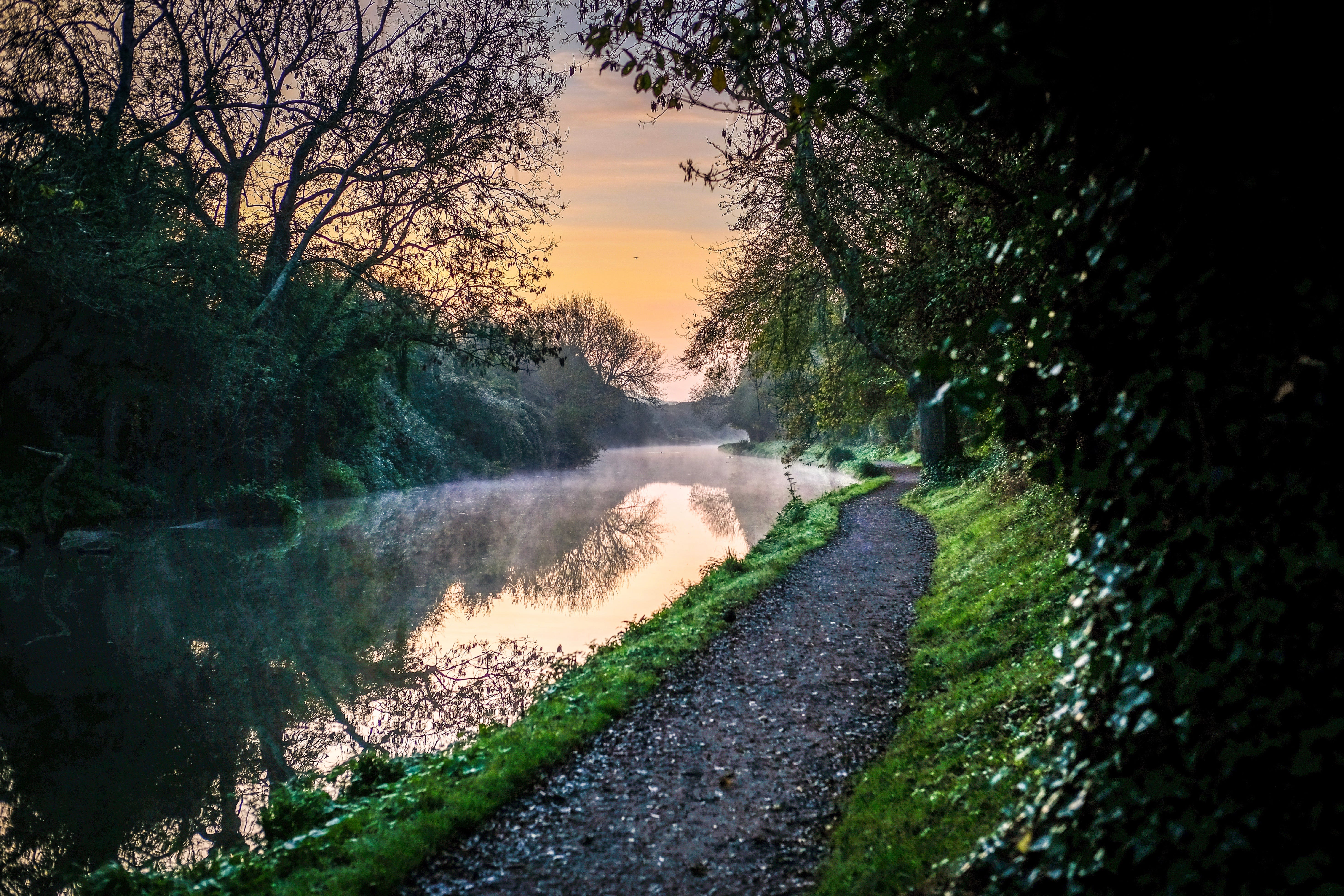
And then—after a century of decay, reed takeover, and occasional teenage mischief—the city restored it. And the canal quietly reshaped itself again. It became the Sunday walk. The dog walk. The pram-pushing walk. The “I need ten minutes to think” walk. A place where couples negotiated crises, children learned balance on muddy paths, and swans performed their usual self-important patrols.