

Mills, Mud & the Birth of Emsworth
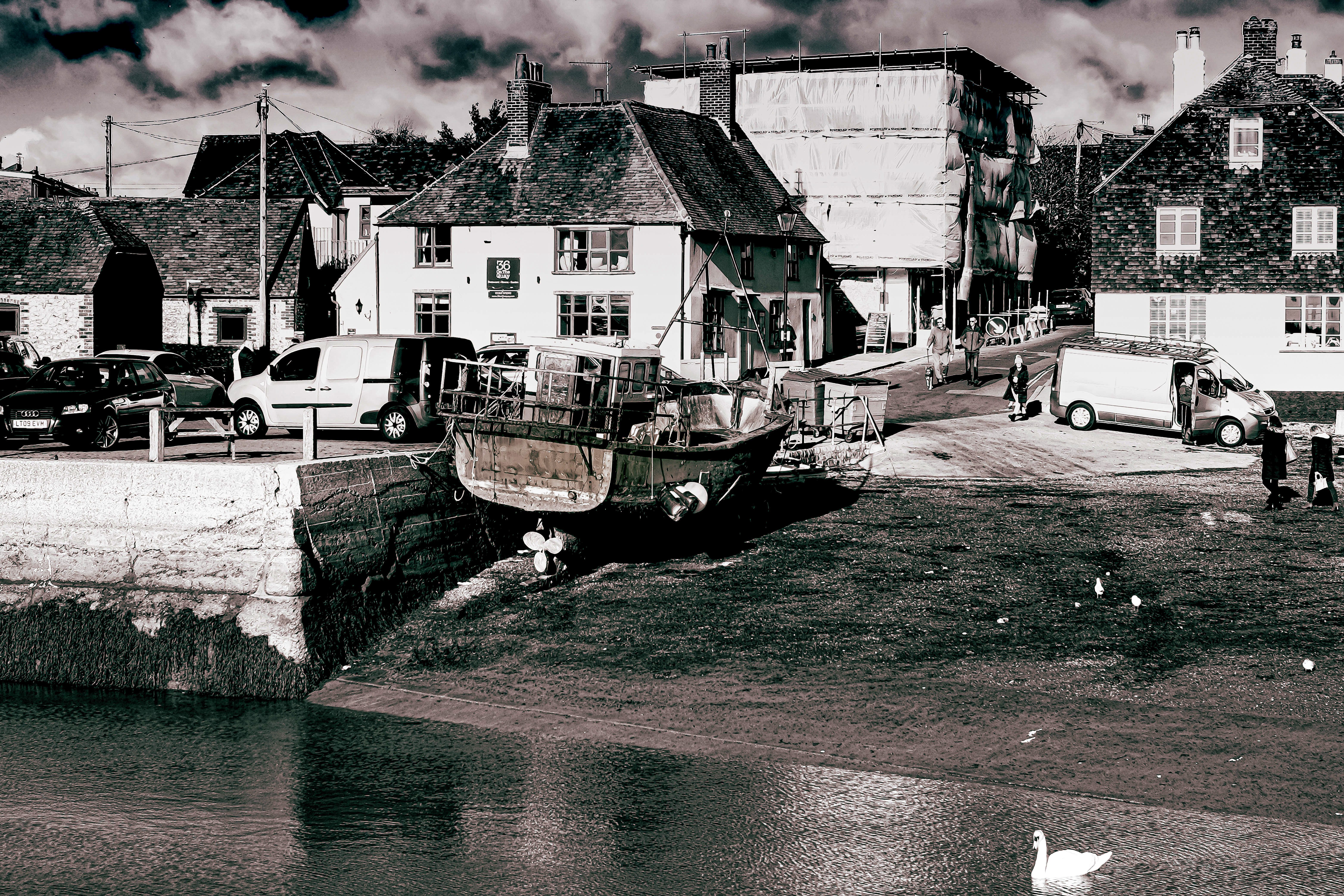
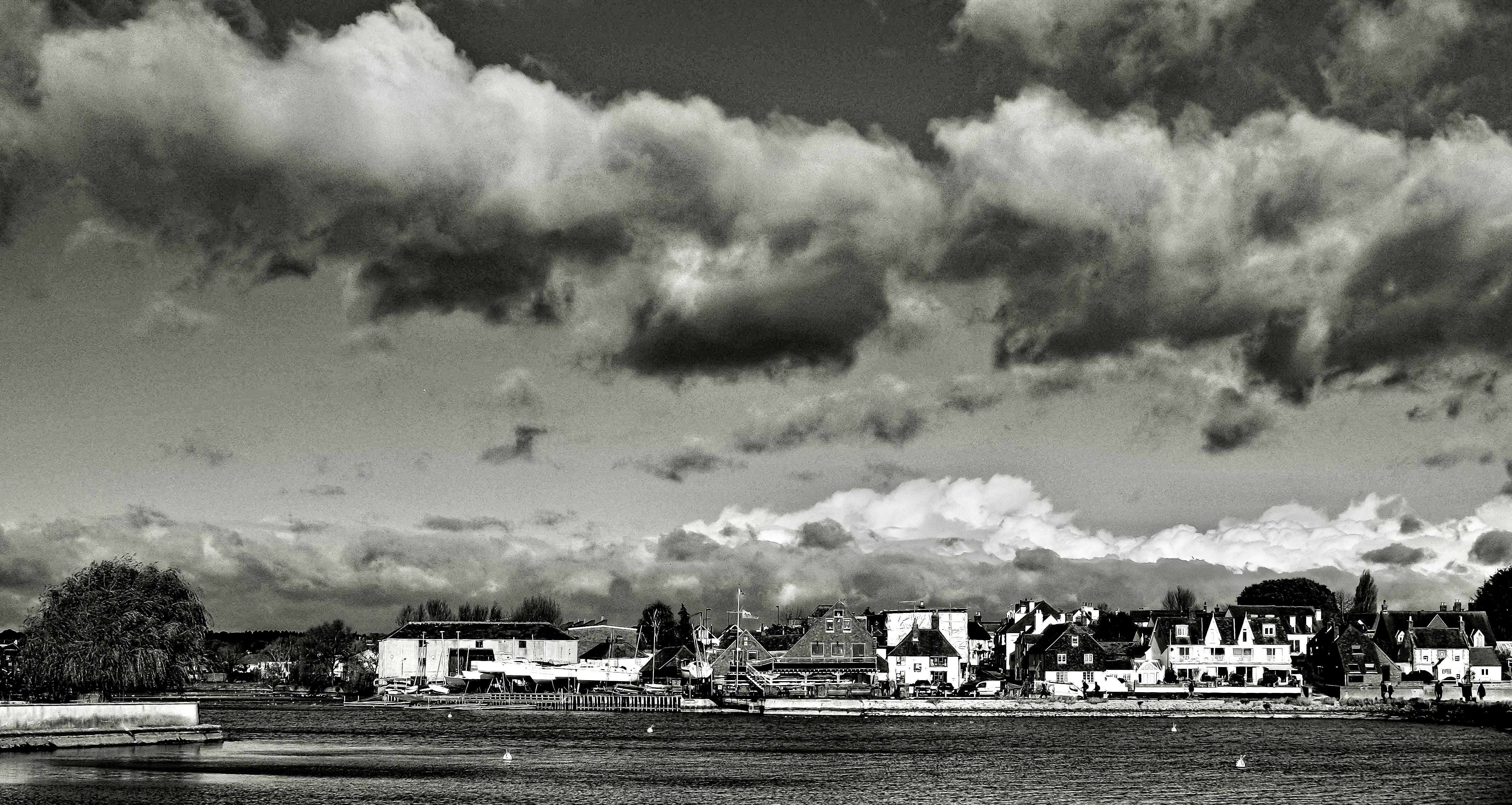
Long before artisan coffee arrived, a Saxon called Weobold sailed up Chichester Harbour around 500 AD and thought, “Yes, this mud will do nicely.” Fast-forward a few centuries and King John, never one to miss an opportunity to reshuffle land like a medieval estate agent, split Warblington in two and created Emsworth — renting it out for the princely sum of one pair of gilt spurs.
By the Middle Ages the place had shipbuilding, mills, and not much money — but plenty of determination. Emsworth wasn’t glamorous, but it was useful. And in those days usefulness beat glamour hands down.
Flat-Pack Houses & Failed Royal Tourism
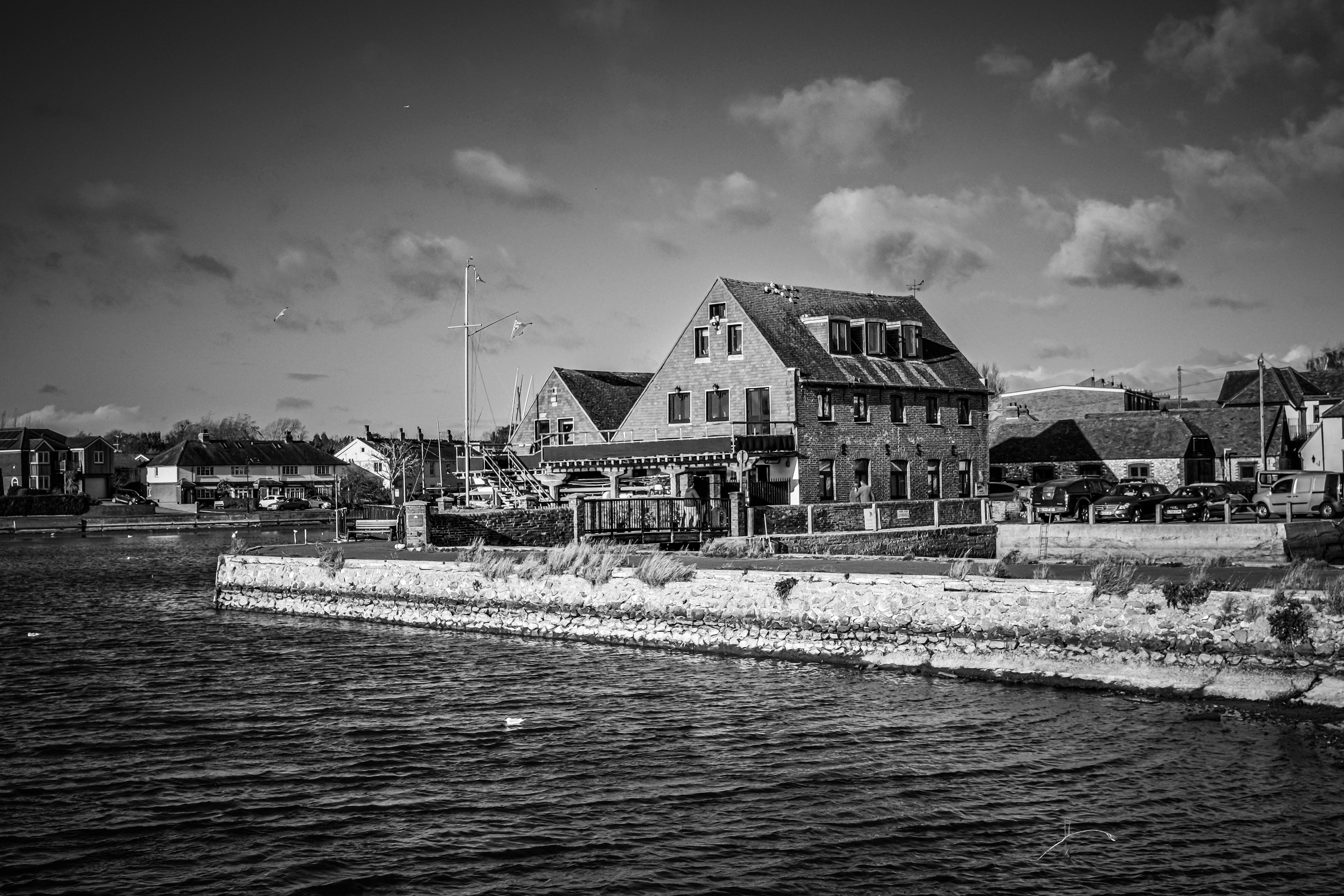
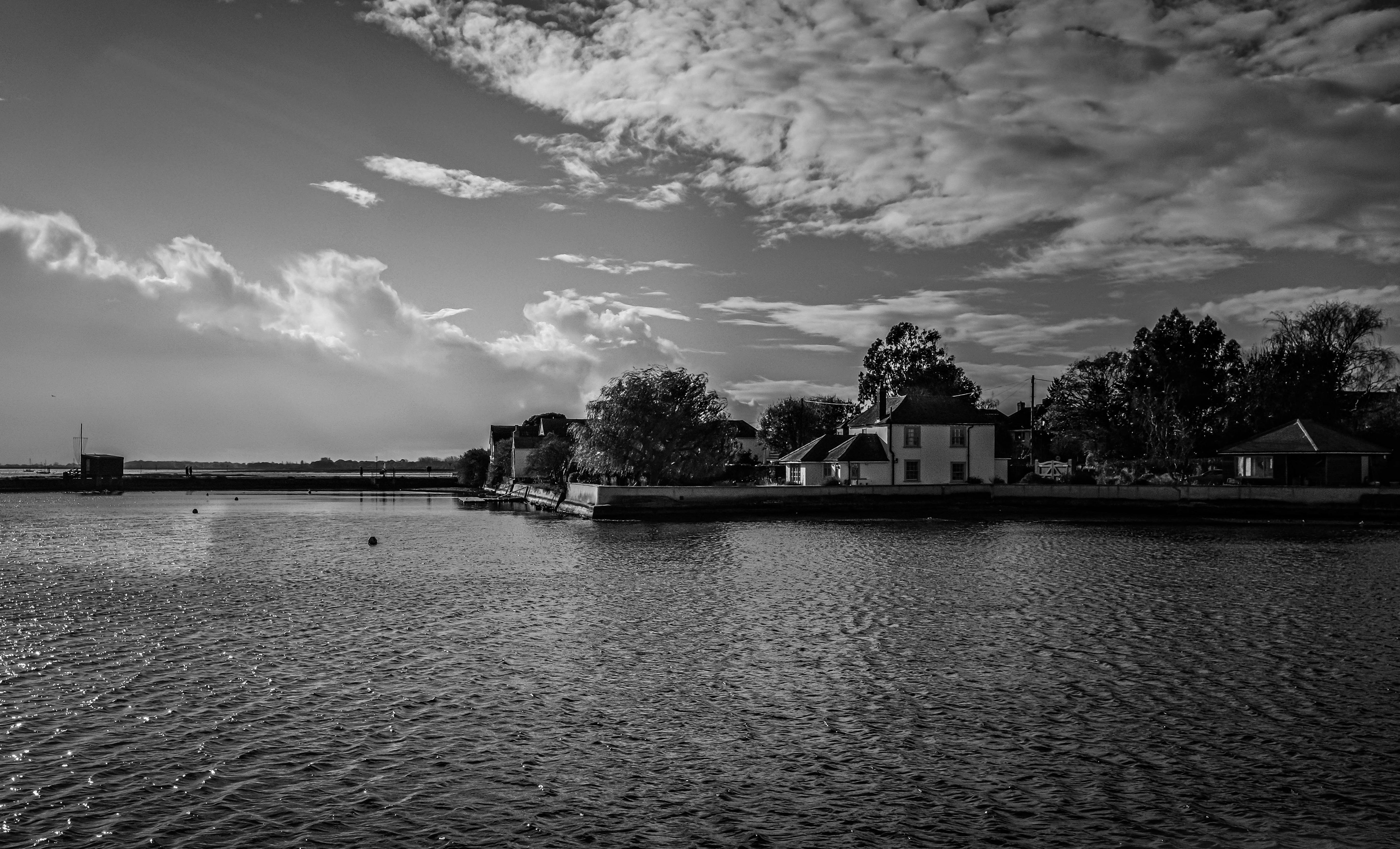
In the 18th century Emsworth got ambitious. Shipyards expanded, quays were built, and one chap even assembled a house in a single day — an early flat-pack wonder long before IKEA weaponised the concept. John King, shipwright and general nuisance to the press-gang, helped the town grow, brick by timber by stubborn refusal.
Then came the sea-bathing craze. Brighton was all the rage, so Emsworth tried to get in on the act with hot-and-cold seawater baths. Caroline, Princess of Wales, did visit — but without the fashionable persona required to make the place a sensation. Brighton kept the crowds. Emsworth kept its dignity.
Oysters, Typhoid & Emsworth’s Great Collapse
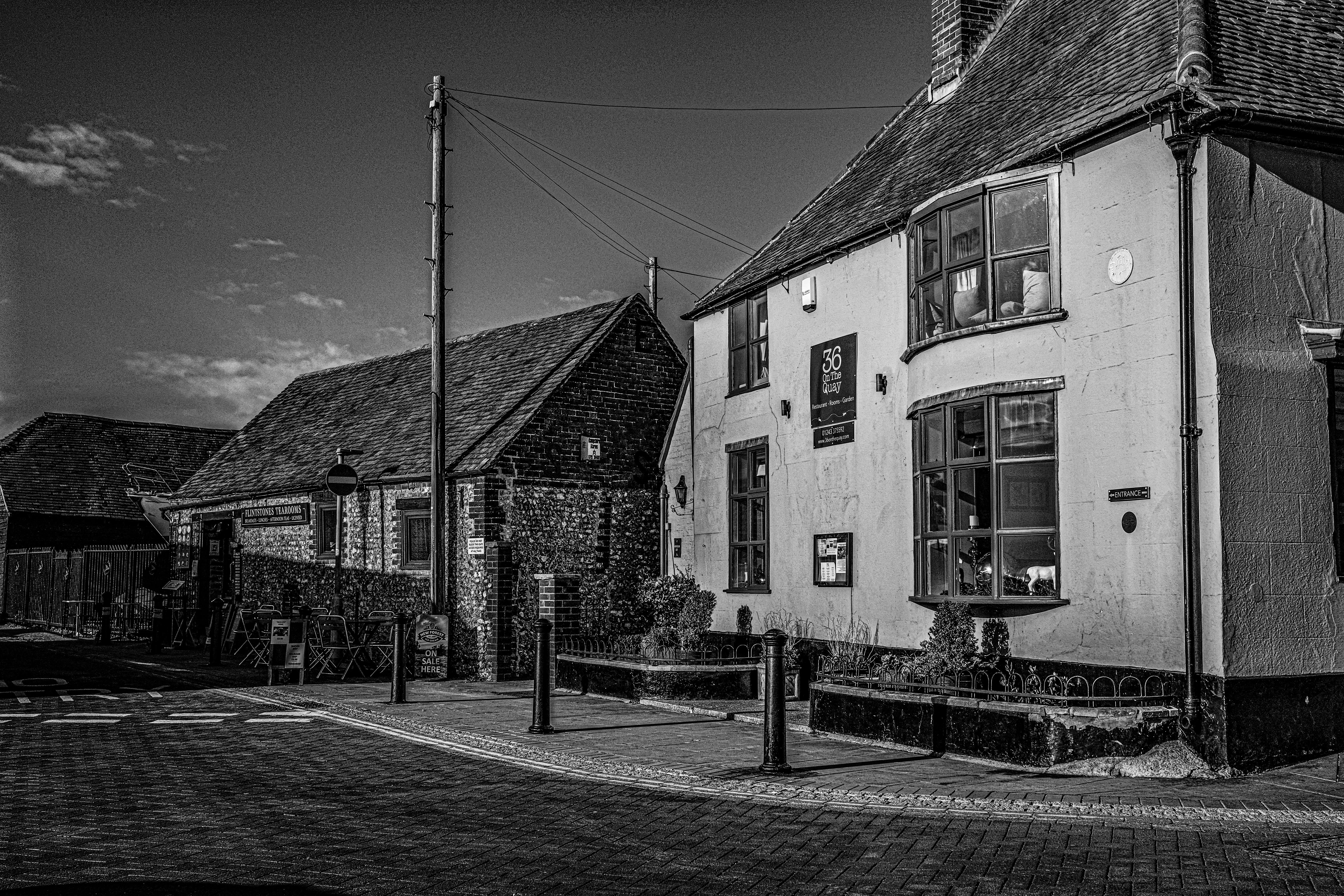
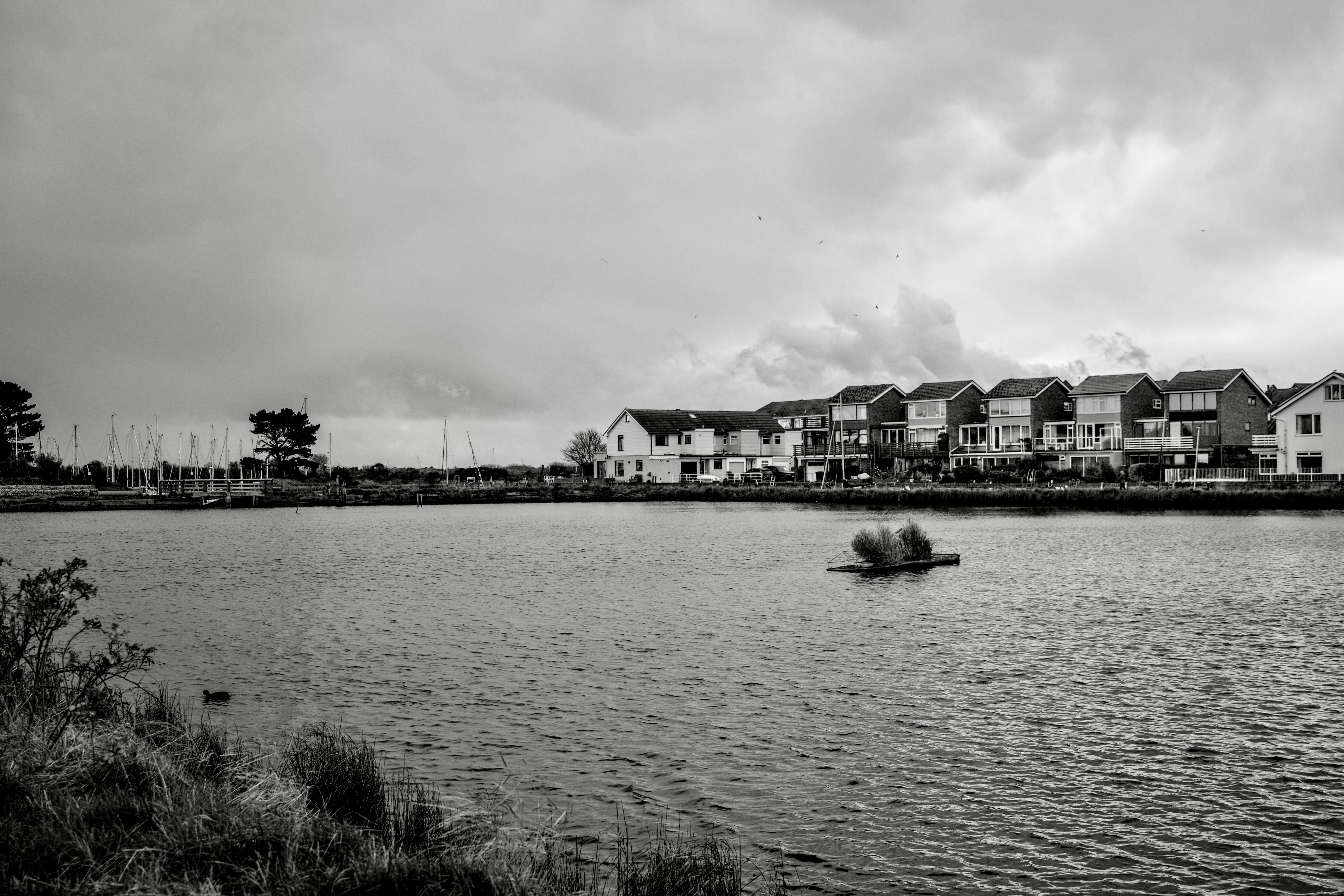
By the 19th century, oysters had transformed Emsworth into a thriving harbour. The dredgers were renowned, the trade booming, and the mudflats suddenly worth their weight in molluscs.
Then 1902 happened.
Untreated sewage led to typhoid contamination, oyster sales collapsed, and the harbour was closed — the finest oyster industry in England wiped out in a single blow. J.D. Foster fought the legal battle that finally forced towns to stop emptying their pipes into the sea.