


In the Swedish archipelago, you don’t navigate by GPS — you navigate by memory, instinct, and lighthouses.
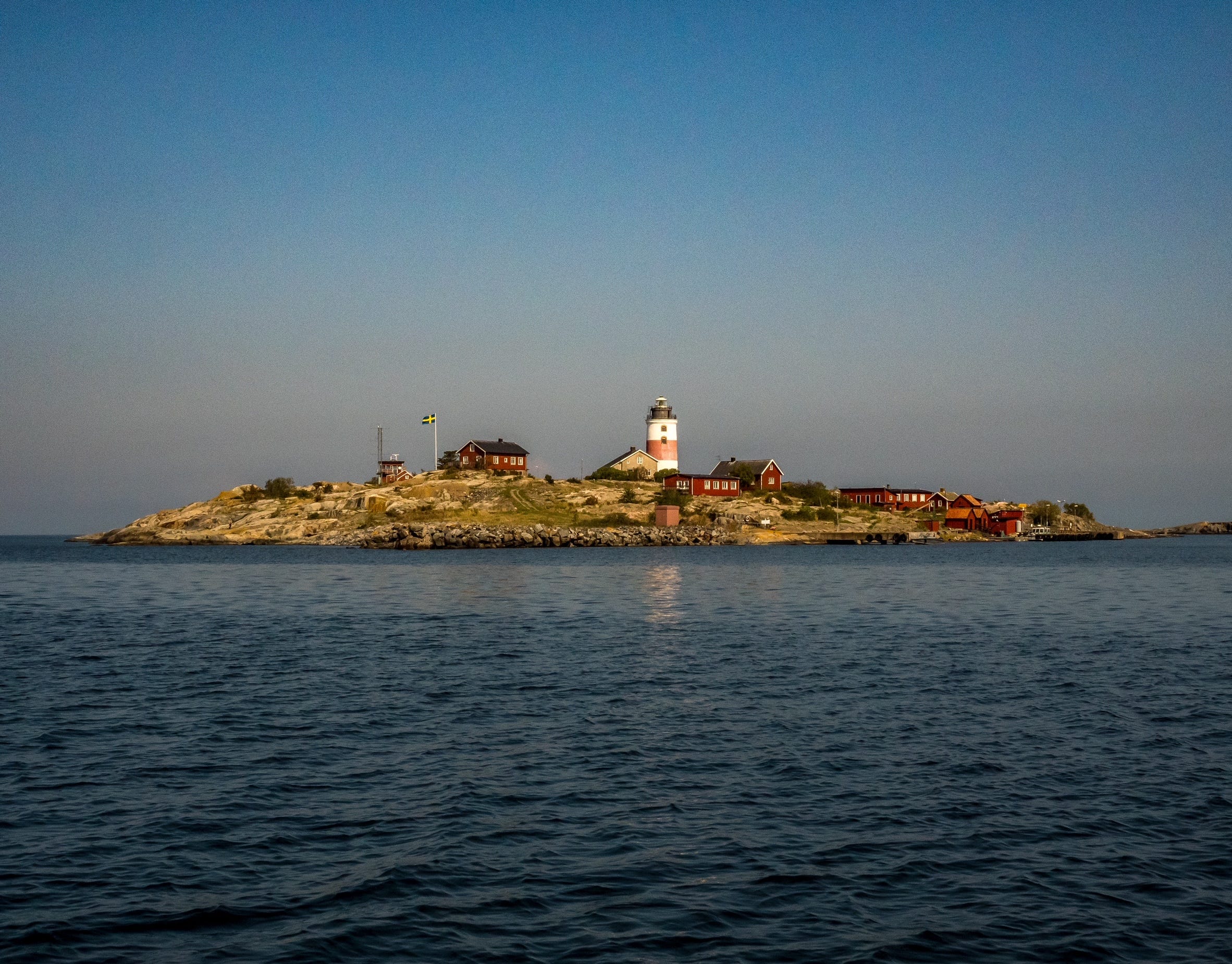
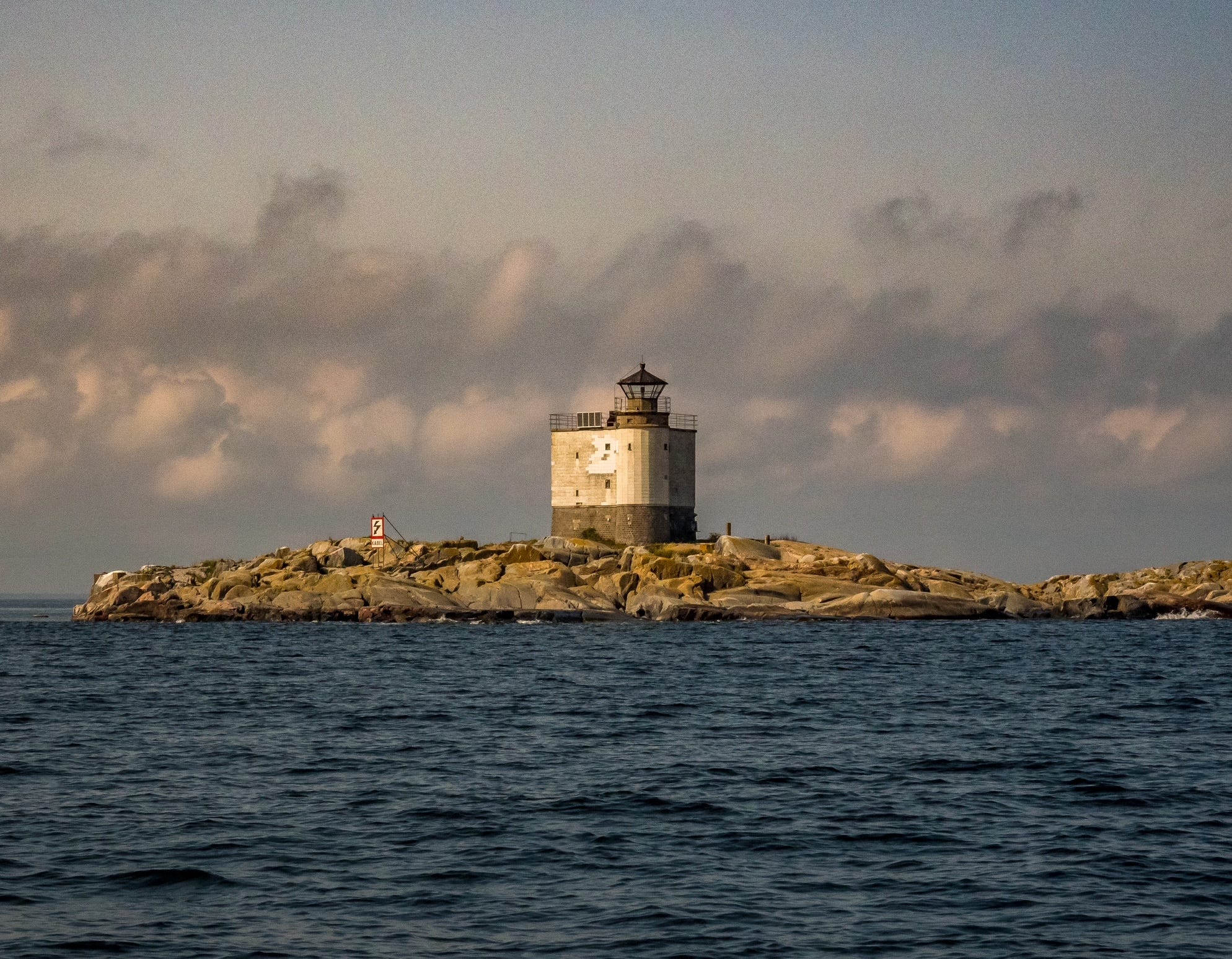
The archipelago looks gentle from the air, but on the water it’s a labyrinth — rocks, reefs, and granite shelves waiting just below the surface. For centuries, these little towers were the only things that kept sailors alive in the dark. Their colours, shapes, heights, and stripes weren’t decorative — they were language. A system. A code.
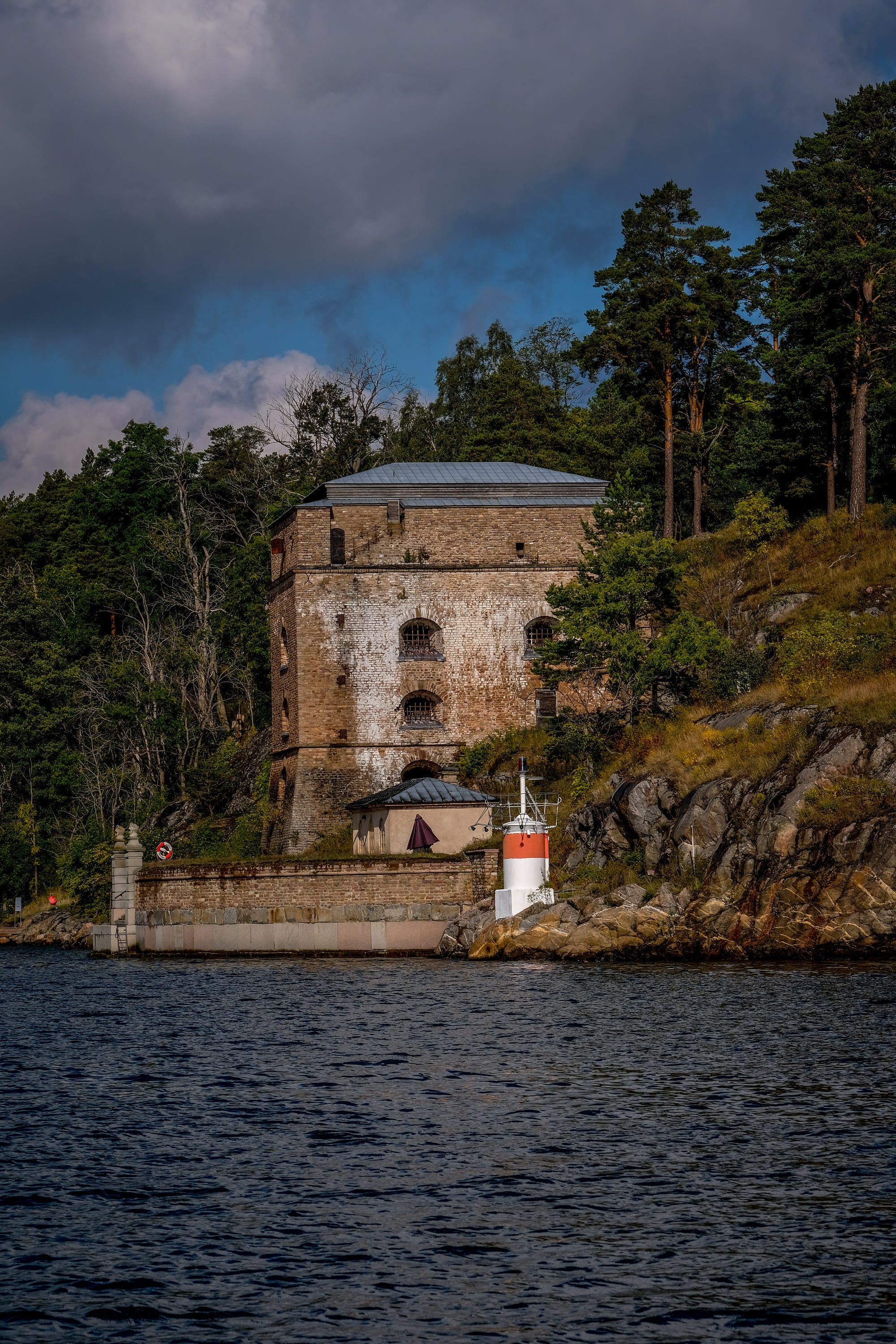
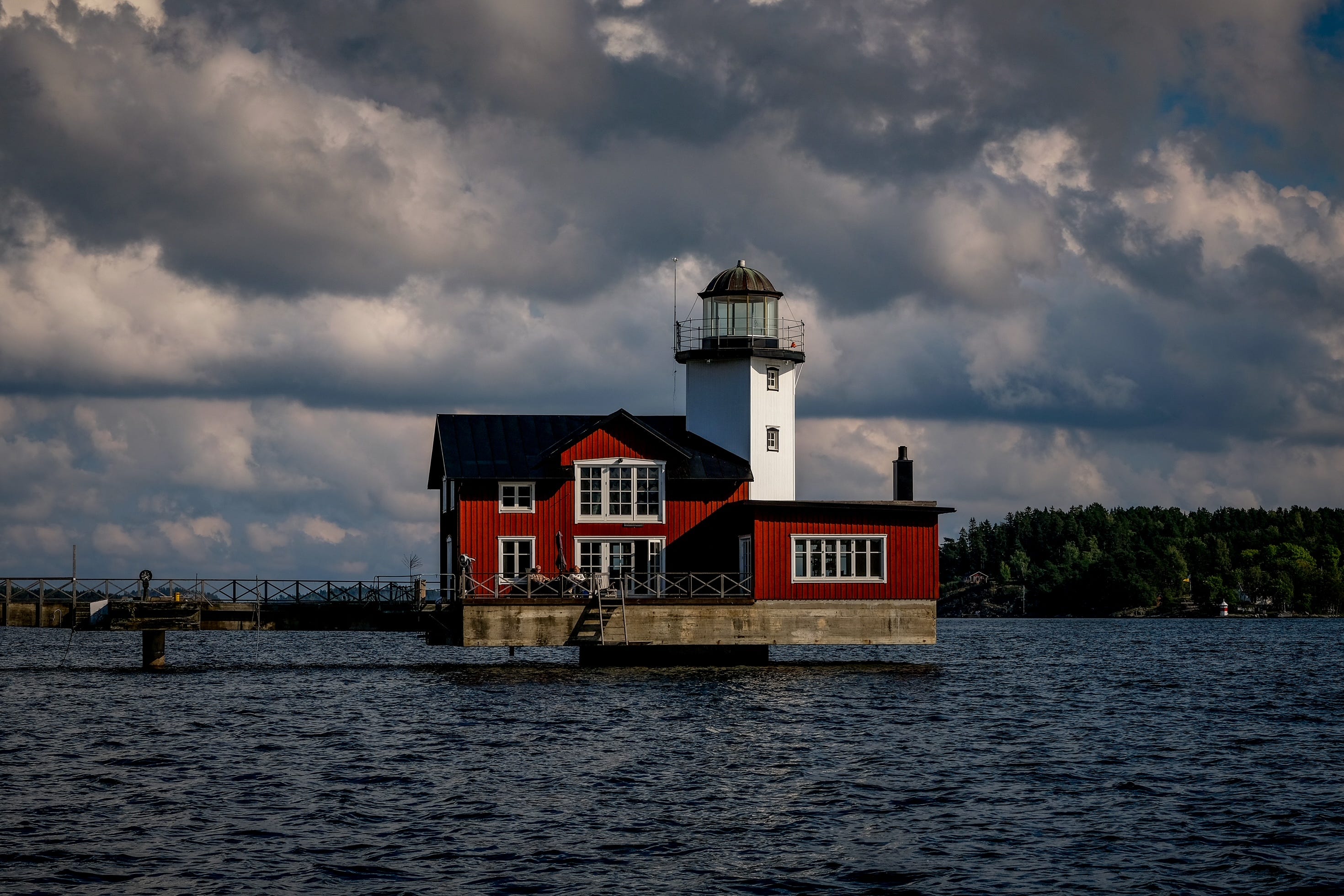
Every lighthouse had a silhouette you recognised instantly.
The red-and-white barrels, the green harbour guides, the stone fortresses with lantern rooms perched on top — each one told you where you were, where the shoals were, and where home was.
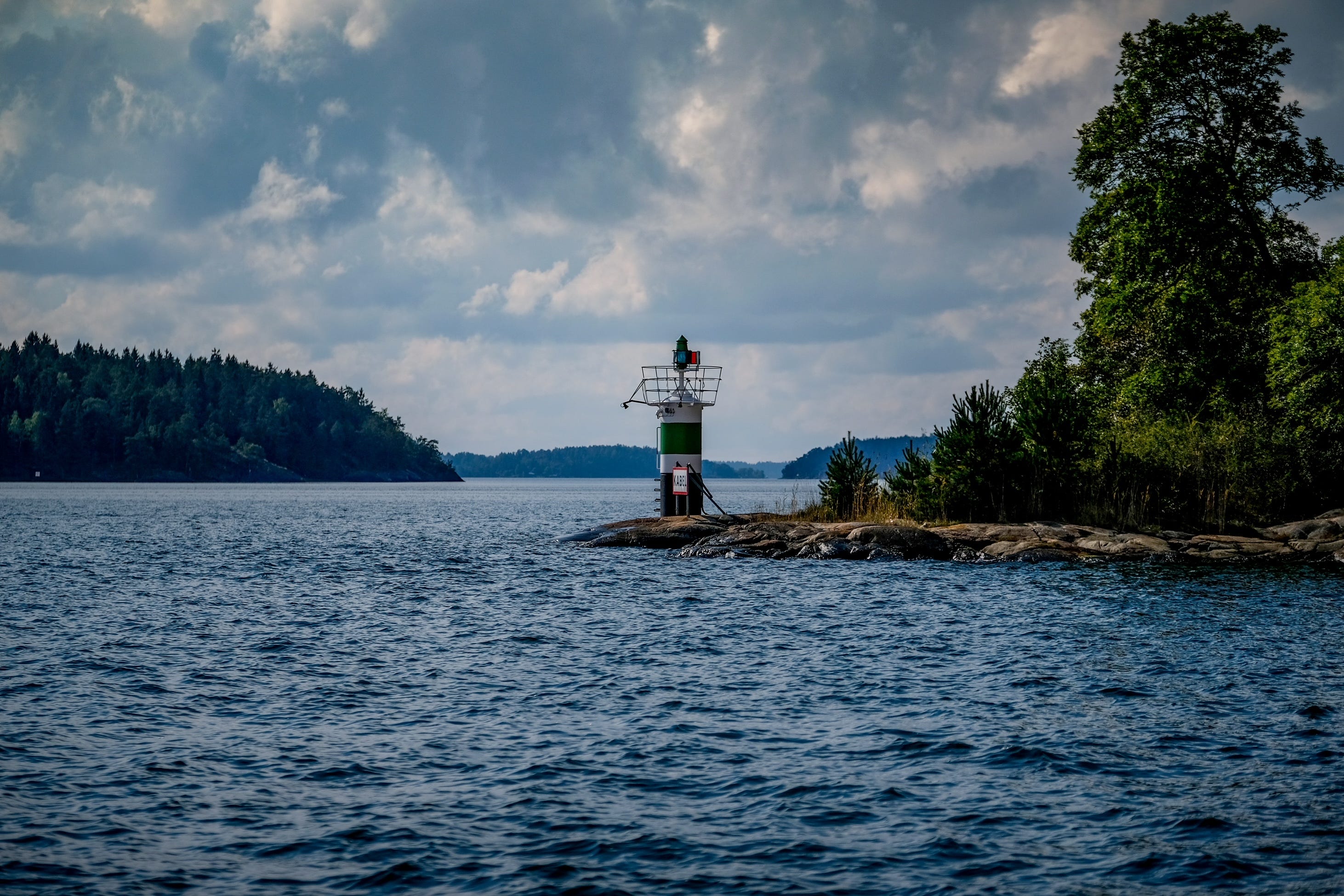
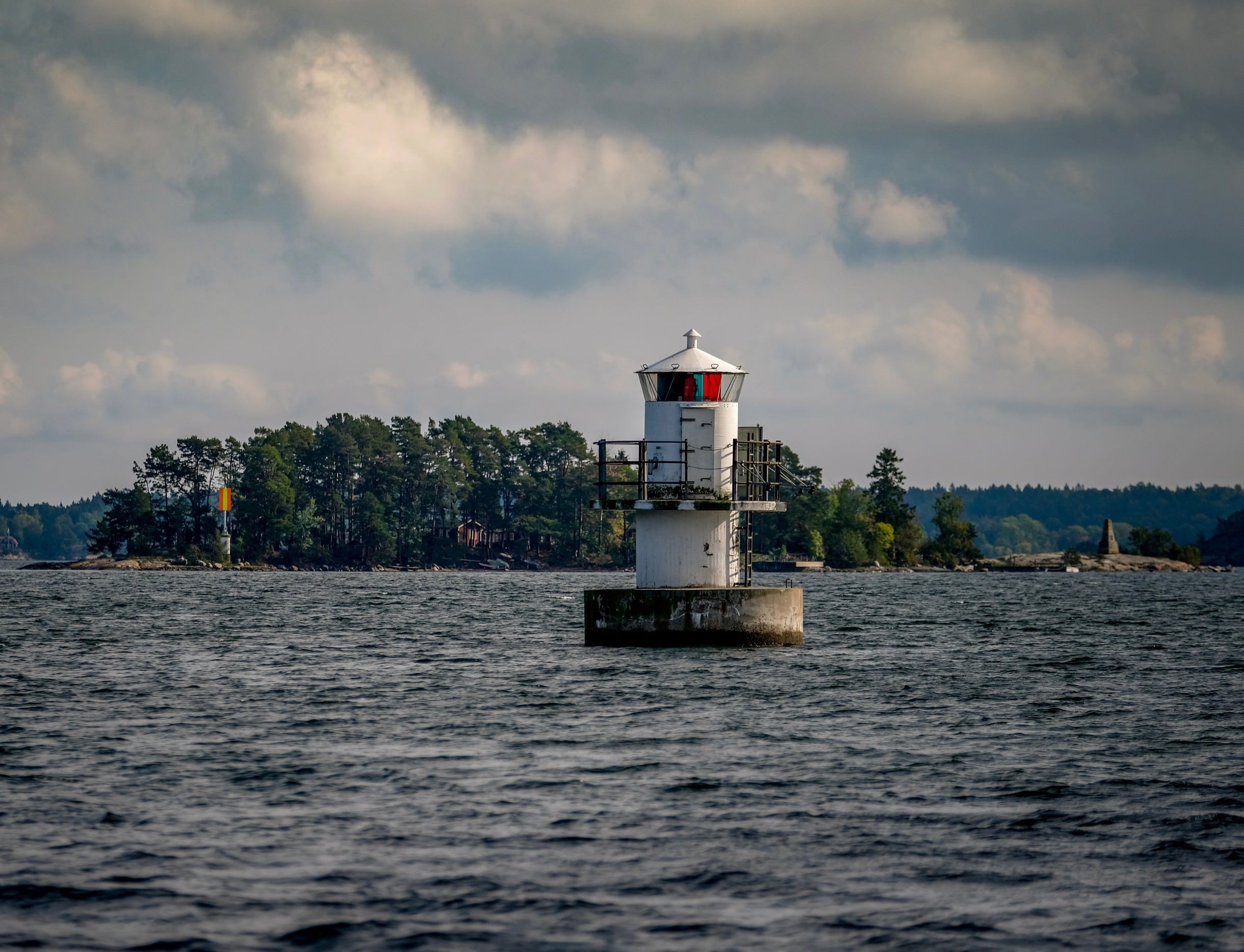
I photographed them because they’re more than architecture.
They’re characters in the story of the sea — stubborn, practical, and oddly comforting.
They remind you that before satellites and screens, survival depended on paying attention to the world around you: to light, wind, coastline, and the tiny flashes of red or green that told you you’d made the right turn.
A thousand islands.
A thousand dangers.
And these little lights — the ones that stayed — guiding you through it all.